
Mistakes on Rubber Base Gel and Peel Base Gels and what you need to know.
- Nalee Vang

- Aug 15, 2025
- 3 min read
Updated: Nov 12, 2025
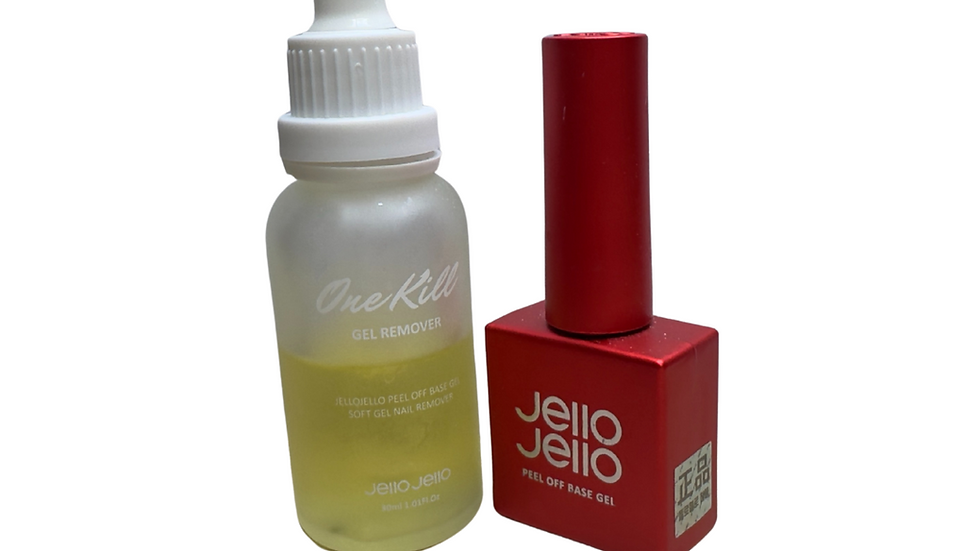
One gel base that’s been getting a lot of attention in the Korean/Japanese gel world is Jello Jello’s Peel Off Base Coat. But how are you really supposed to use this product?
Understanding the Peel Off Base Coat
Some nail enthusiasts are applying it like it’s a rubber base, and that’s where the confusion starts. As the name suggests, Peel Off Base is exactly that, a base layer designed to peel off.
So what does that mean? It means if you don’t want your gel nails or extensions to last for weeks, or you want the option to remove them easily without soaking or filing, this is the type of base you’d use. It’s perfect for temporary looks, swatching colors, or quick change designs, but it’s not meant for long-term wear.
Comparing Different Gel Types
Let's break down the differences between Rubber base gels, Japanese soft gels, and the Peel Off Base. All these products belong to the same overall category: soft gels. This means they can be soaked off in acetone, are more flexible than hard gels or acrylics, and are designed to work with the natural nail rather than against it.
Rubber Base Gels
Rubber base gels are all about flexibility. Their thicker, elastic consistency allows them to bend with the nail, almost like a rubber band. This can be a big advantage for clients with thin, weak, or brittle nails. It can also be beneficial when layering under something more rigid, like acrylic, to provide a bit of cushion.
Because of that dense, self-leveling texture, rubber base adds some strength without building too much height. It can sometimes be used without a separate base coat. It’s a practical, supportive layer for nails that need movement and reinforcement.
Japanese Soft Gels
Japanese soft gels, on the other hand, are known for their highly refined formulas and strong adhesion systems. Brands like Leafgel, Kokoist, and Presto focus on creating a base gel that bonds extremely well to the nail plate without the need for heavy prep or primers. This helps maintain the nail’s health.
Japanese gels are often more lightweight and offer a range of viscosities. This allows nail techs to choose exactly how much structure they want to build. The flexibility is still there, but it’s usually more balanced. It's firm enough to hold nail art and extensions beautifully, but not so elastic that it bends too much under pressure.

Key Differences
In short, rubber base gels and Japanese soft gels are one and the same. Rubber base gel is just marketed that way mostly for branding, positioning, and consumer expectations rather than strict technical differences. Both are flexible and soak-off, but Japanese gels tend to be part of a broader, more customizable nail service. Meanwhile, rubber base stays in its lane as a strengthening flexible base.
When to Use the Peel Off Base
So where does Peel Off Base come into play? Honestly, only when you want short-term wear. If you’re planning to keep your nails on for 3+ weeks, you’ll want to rethink what base coat you’re using.
Peel off base is designed for temporary looks. Think weekend events, photo shoots, nail swatches, or those times when you know you’ll want to change your design soon. It’s great for easy removal without the soak-off process, but it’s not built for durability.
If you’ve been noticing your gel nails or extensions lifting way sooner than expected, this could be the reason. Peel off base doesn’t have the same adhesion strength as a standard or rubber base, so your enhancements are more likely to pop off early.
In short, use it when you want a quick change, but swap it out for a stronger base when you’re going for longevity.
Understanding Product Choices
If your nail extensions aren’t lasting or you’re noticing lifting, it’s important to know exactly what products you’re using and why you’re using them. Understanding your product choices from base coat to builder can make all the difference in how well your gel nails or extensions hold up.
In conclusion, knowing the differences between various gel types can help you make informed decisions. Whether you choose a Peel Off Base for a temporary look or a rubber base for durability. Always consider your needs and preferences when selecting the right product for your nails.


Comments